Your POS should assume the internet will fail
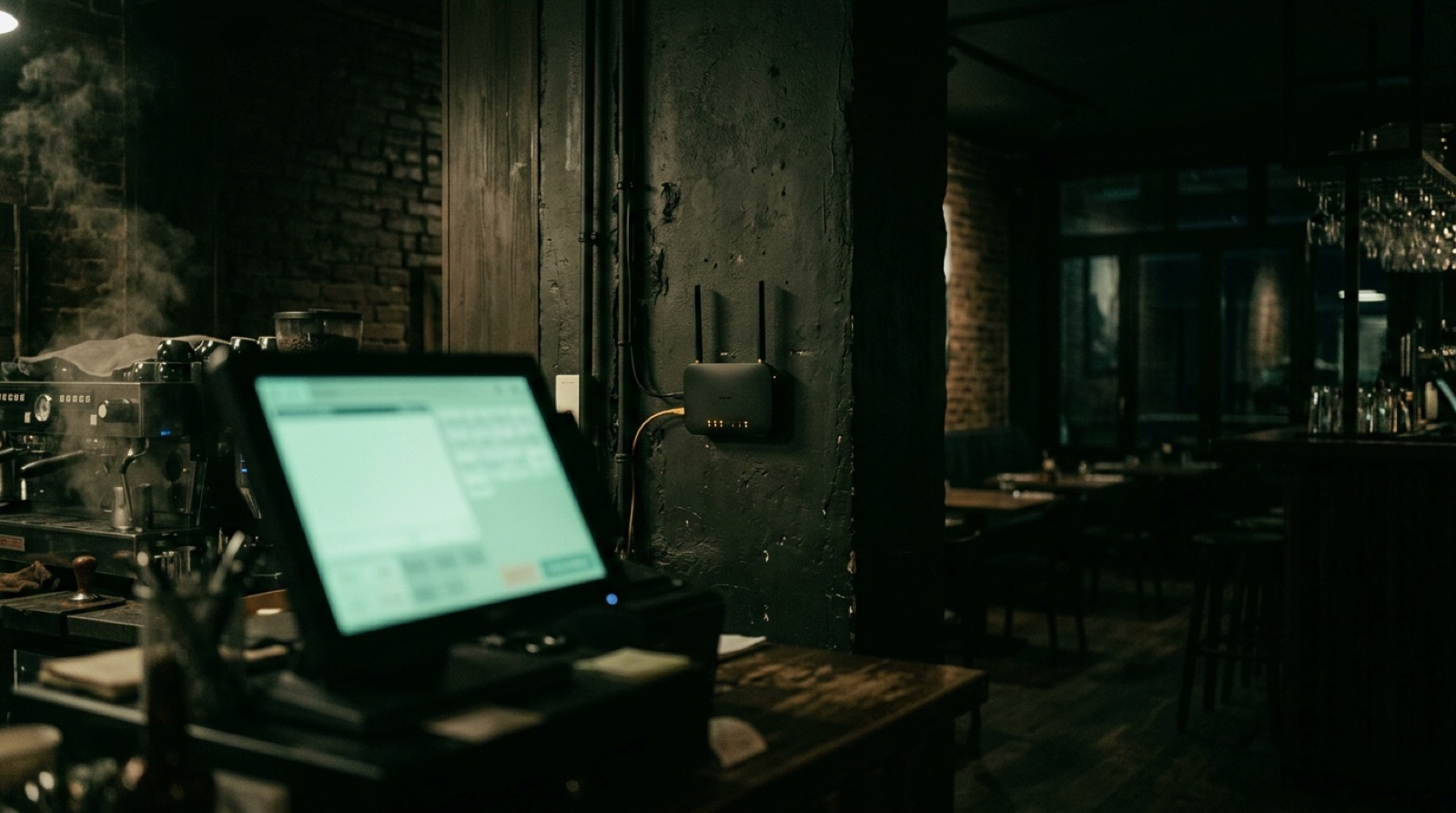
Most cloud POS systems are a browser tab pointed at a server. Fast network, fine. Busy Friday, congested router, ISP hiccup — and the till is a brick while a queue forms. The failure isn't rare; it's weekly in most of the restaurants we've sat in.
Offline-first means the device is the source of truth
In Foodine, every order is written to the device's local database first — before any network call. If the connection is up, it syncs within a second. If it isn't, the order queues, the kitchen screen on the same device keeps receiving tickets, and the queue flushes automatically on reconnect. The cashier never knows the difference; that's the point.
The three failure modes that matter
- The blip — 30 seconds of packet loss during peak. Most systems throw error toasts; ours doesn't notice.
- The outage — an hour of dead ISP. Orders, settlement, and kitchen flow continue on-device.
- The refresh — staff reload the page mid-shift. State survives, because it was never only in memory.
None of this is exotic engineering — service workers, a local database, an idempotent sync protocol. What's rare is treating the worst hour of your week as the design target instead of the demo. Ask any vendor one question: 'unplug the router, then sell me a shawarma.' Watch what happens.
Enjoyed this? The Pass delivers one like it, monthly.